
Fixing a Gummy Smile in Tauranga: Causes, Options and Next Steps

What if the best first step isn’t choosing a treatment, but finding out why your gums show when you smile? If you feel self-conscious in photos or wonder whether the cause relates to your gums, tooth proportions or lip movement, you’re not alone in wanting clear answers. This guide to fixing a gummy smile Tauranga residents may feel self-conscious about starts with understanding the cause, not assuming one solution suits everyone.
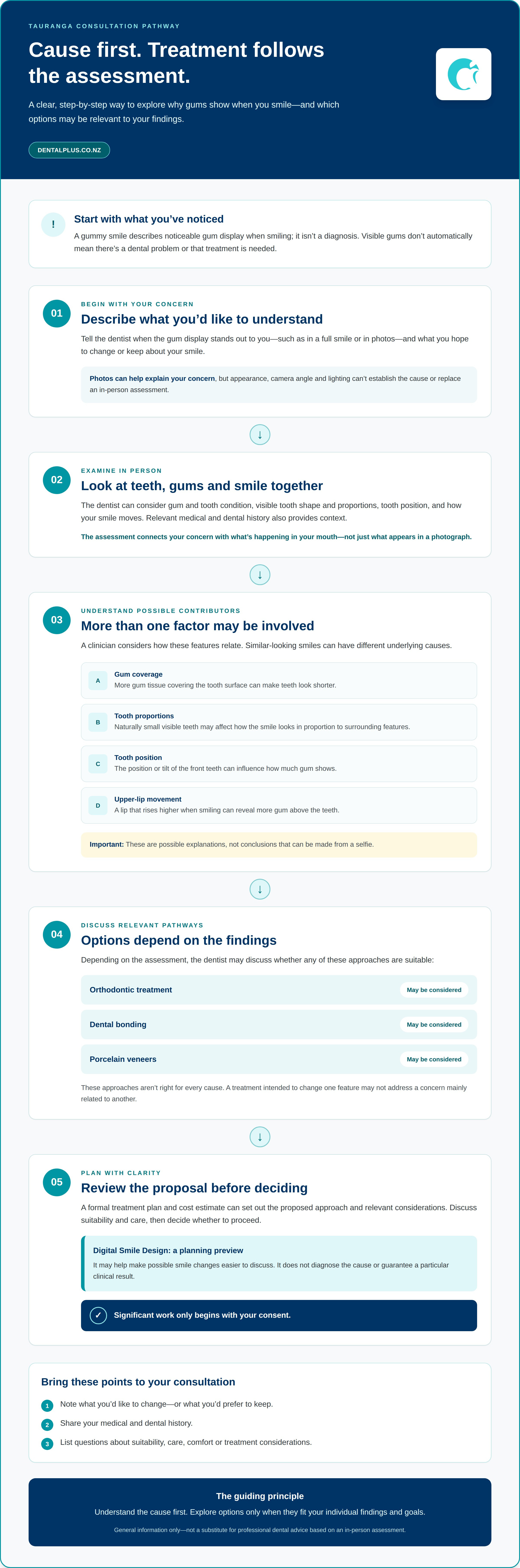
A personalised dental examination can assess gum display, tooth shape and position, then guide a discussion about suitable options. Depending on the findings, orthodontic treatment, dental bonding or porcelain veneers may be considered. These approaches aren’t right for every cause, and no particular result can be guaranteed. Digital Smile Design can provide a planning preview, but it doesn’t diagnose the cause or promise a particular outcome.
Here, you’ll learn about common reasons gums may show, how treatment pathways differ and what to expect from a consultation in Tauranga. This article is for general information only, not a substitute for professional dental advice based on an in-person assessment. Always seek professional care for a dental condition.
Table of Contents
What is a gummy smile, and why might your gums show when you smile?
If you feel self-conscious about how much gum shows when you smile or in photos, that feeling deserves a thoughtful response. It doesn’t necessarily mean there’s a dental problem or that you need treatment. A gummy smile is a descriptive term for noticeable gum display when smiling, particularly above the upper teeth. It describes an appearance, rather than providing a diagnosis or determining whether anything needs to change.
There’s no single amount of visible gum that everyone finds concerning. Personal preferences differ, and the way a smile looks can change with facial expression, camera angle and lighting. A photograph may prompt questions, but appearance alone can’t establish what’s causing the gum display or whether your teeth and gums are healthy.
What can make a smile look gummy?
Several features can affect how the gums and upper teeth appear together. A dentist may consider gum coverage, tooth proportions, tooth position and upper-lip movement. More than one factor can contribute, so two people with similar-looking smiles may have different underlying causes.
For example, teeth can look shorter if more of their surface is covered by gum tissue, or if the visible teeth are naturally small in proportion to surrounding features. Tooth position can also influence how much gum shows, particularly if the front teeth sit or tilt differently. These are possible explanations, not conclusions that can be reached from a selfie.
The upper lip plays a part, too. Some people’s lips rise higher when they smile, revealing more gum above the teeth. A broad overview of gummy smile causes and classifications describes several contributing factors. It can help explain the terminology, but it can’t identify the cause in an individual smile.
Is a gummy smile always a health concern?
Not necessarily. A gummy appearance may be an aesthetic concern, a feature you’ve noticed without wanting to change, or simply part of the way your smile moves. There’s no obligation to pursue treatment because your smile looks different from someone else’s. The decision to explore options is personal.
Still, gum health and tooth condition matter if you’re considering dental treatment. A clinician may need to understand whether your gums are healthy and your teeth are in good condition before discussing ways to alter your smile. If you’ve noticed changes in your gums or teeth, or have other dental concerns, seek professional advice rather than trying to diagnose the cause yourself.
For people considering fixing a gummy smile Tauranga dental care can begin with a discussion of what they’ve noticed and an assessment of their mouth. The aim is to understand the concern first, not to assume that visible gums need correcting.
How a dentist assesses the cause of a gummy smile
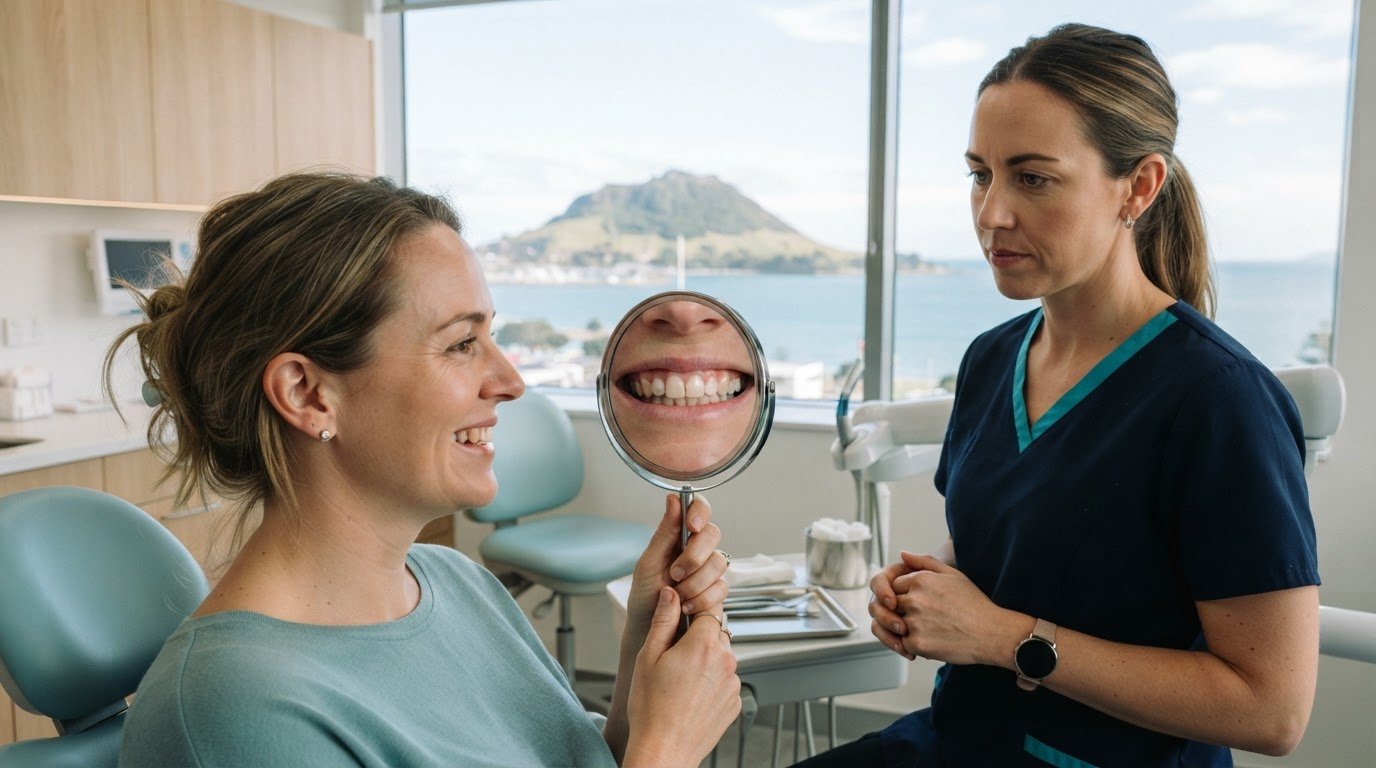
A useful consultation begins with your concern, not a preselected cosmetic procedure. Explain what you notice and what you’d like to understand. The dentist can then relate your perspective to an examination of your teeth, gums and smile. Photographs may help describe what you see, but they can’t replace an in-person assessment of how your mouth looks and moves.
Cause comes before cosmetic choice: gum health, tooth proportions, tooth position and upper-lip movement can each influence gum display, and more than one may contribute. The examination helps determine which options are relevant and whether they’re suitable. That distinction matters because an approach intended to change tooth proportions, for example, may not address a concern mainly related to lip movement. In cases where lip elevation or facial dynamics play a prominent role, learning about non-surgical cosmetic care from clinics such as Vie Aesthetics can provide helpful context on how aesthetic practitioners approach facial balance.
What might be considered during an examination?
The dentist may look at the condition of your gums and teeth, the visible shape and proportions of your teeth, and how they sit when you smile. They’ll also consider relevant medical and dental history, which provides context for your care. The details vary from person to person; no single test or image is automatically needed for every assessment.
Several features may influence the appearance together. A clinician can consider how the gums, teeth and smile relate, rather than treating one visible feature in isolation. If gum health or tooth condition needs attention, that forms part of the discussion before cosmetic planning. The purpose is to build a clearer picture of your situation, not to diagnose from a photo or assume a treatment in advance.
Why photographs and smile goals can help the conversation
Think about when the concern stands out to you. Is it during a full smile, in candid photos or when you see your teeth from a particular angle? Explaining this can help the dentist understand what you’re hoping to change. You can also describe what you’d prefer to keep about your smile and raise any concerns about treatment or comfort.
Digital Smile Design can provide a preview to support planning and discussion. It isn’t a diagnostic tool, and a preview doesn’t guarantee a final clinical result. It’s one way to make possible smile changes easier to discuss alongside the examination.
After the initial examination, a formal treatment plan and cost estimate can set out the proposed approach. You can discuss the options and relevant considerations before deciding. Significant work only begins with your consent. Fixing a gummy smile Tauranga patients are concerned about therefore starts with an individual assessment, not an assumption that one cosmetic option suits everyone.
If you’d like to discuss your concerns through a personalised dental assessment, explore an appointment with Dental Plus.
Which gummy smile treatment options may be considered?
There isn’t one treatment that suits every gummy smile. Options to discuss depend on what an examination finds and what you’d like to change. A concern about tooth shape may lead to a different conversation from one involving tooth position, gum health or lip movement. Sometimes the most appropriate choice is to leave the appearance alone. Treatment is a personal decision, not a requirement.
The comparison below is a starting point, not a diagnosis or recommendation. Cosmetic and orthodontic treatments may be considered when relevant, but they can’t address every cause of visible gums.
When might cosmetic dentistry be part of the discussion?
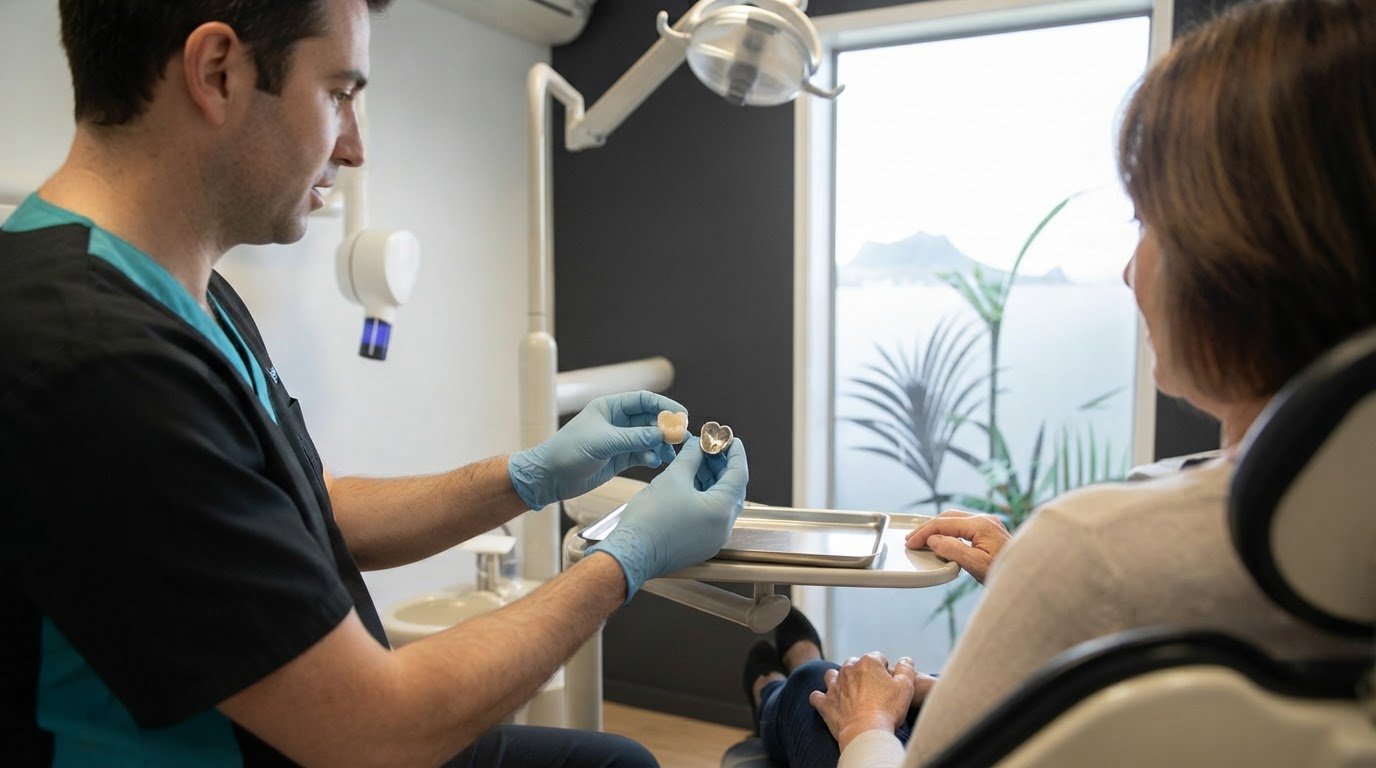
If teeth look short, worn or uneven in proportion, bonding or porcelain veneers may be discussed to alter their appearance, provided they’re suitable for your teeth. These options focus on the teeth themselves, so they may not reduce gum display if the main factor is gum coverage or lip movement. Comparing the purpose and limitations of bonding and veneers can help you understand what each option is designed to address. When lip dynamics or soft tissue balance are the primary focus, practitioners such as Cosmetic Facial provide aesthetic facial treatments that help address how facial muscles and lips frame the teeth.
When might orthodontic options be considered?
If tooth position or alignment contributes to the appearance, Invisalign or traditional braces may be considered after assessment. Orthodontic treatment moves teeth, so it’s relevant only when their position is part of the concern. It isn’t a guaranteed fix for visible gums. For clear aligners, the discussion can include how Invisalign may fit your needs and how it differs from other orthodontic approaches.
For some people, one factor stands out; for others, several features may interact. A dentist can explain which possibilities relate to your findings, what each option is intended to address, and where its limits are. Digital Smile Design may help preview smile planning, but it doesn’t diagnose the cause or guarantee a final outcome.
For fixing a gummy smile Tauranga patients should consider options only after an examination and discussion of their goals. A personalised plan helps distinguish between changing tooth appearance, addressing tooth position and deciding that treatment isn’t needed.
How to prepare for a gummy smile consultation in Tauranga
A little preparation can help you make good use of your consultation, especially if you’re unsure what to ask. You don’t need to arrive with a diagnosis or know which treatment you want. Explain what’s on your mind, share relevant health information and ask about possible next steps.
Note what you’ve noticed. Write down what concerns you about your smile and when you’re most aware of it, such as during conversation, a full smile or in photos. If you have a particular change in mind, note what you hope to understand or achieve. This gives the discussion a useful starting point.
Bring your questions. Consider asking what factors might contribute to the gum display, which options could suit your findings, and what limitations or alternatives may apply. You might also ask how a suggested plan relates to your smile goals, rather than focusing only on a particular procedure.
Prepare your health history. Be ready to provide accurate medical and dental history, including relevant conditions, medicines and previous dental care. This information helps the dentist consider your circumstances when assessing your teeth and gums.
Allow time to understand the plan. You don’t have to decide on treatment during the initial discussion. Listen to the explanation, ask for clarification where needed, and consider how the proposed approach fits your priorities.
Questions to bring to your appointment
A short list can help if you feel nervous or tend to forget questions in the moment. Ask what the examination suggests may be contributing to the visible gum display, and whether more than one factor may be involved. You can also ask what each proposed option is intended to address, what its limitations are, and whether there are alternatives, including choosing no cosmetic treatment.
If a recommendation is made, ask how it connects to your priorities. For instance, you may want to understand whether the discussion is about tooth appearance, tooth position or another finding. Clear answers can help you weigh the options without feeling rushed into a decision.
Understanding your treatment plan and consent
A formal treatment plan and cost estimate follow an initial examination, so the details can reflect your individual needs. The plan should help you understand what is proposed before significant work begins. You must consent before that work starts. If anything is unclear, ask for an explanation before deciding. Treatment duration, comfort, cost and likely outcome depend on the specific plan and shouldn’t be assumed in advance.
Dental Plus appointments are by appointment only. Cancellations with less than 24 hours’ notice may incur a cancellation fee. Attending scheduled appointments and following clinical instructions are also part of preparing for care. For a considered first step towards fixing a gummy smile Tauranga, arrange an appointment with Dental Plus to discuss your concerns and understand the assessment process.
Discussing gummy smile options with Dental Plus in Tauranga
If you’re thinking about changing how your smile looks, a considered conversation can help you understand what may be relevant to your situation. Dental Plus is a Tauranga practice at 41 Girven Road, Mount Maunganui, Tauranga, NZ 3116. The discussion starts with your concerns and smile goals, then connects them with an examination of your teeth and gums. This helps distinguish which options may suit you from those that may not address the cause.
What Dental Plus can discuss with you
Dental Plus provides cosmetic dentistry and orthodontic treatment. Following an assessment, bonding or porcelain veneers may be considered for tooth appearance, while Invisalign or traditional braces may be relevant if tooth position is part of the concern. These treatments aren’t suitable for every person or every cause of visible gums. The dentist can explain how an option relates to your examination without promising a particular result.
Digital Smile Design can provide a preview to support smile planning and help you discuss possible changes. It’s a planning tool, not a diagnosis or a guarantee of the final appearance. Use the conversation to clarify what matters most to you, whether that’s tooth shape, alignment or simply understanding your options. For broader context on cosmetic care, the Cosmetic Dentistry Tauranga guide covers related smile-enhancement topics.
A helpful discussion leaves room for questions about the purpose and limitations of any proposed approach. If an option doesn’t match your goals, say so. A treatment plan and cost estimate follow an initial examination, and you must consent before significant work begins. There’s no need to decide on treatment before you understand what’s being proposed.
Booking information for Mount Maunganui and Tauranga patients
Appointments are by appointment only. To arrange one, phone 07 575 5808 or email info@dentalplus.co.nz. The practice is open Monday to Thursday, 8:00 am to 5:00 pm, and Friday, 8:00 am to 4:00 pm. It’s closed on weekends and public holidays.
If you need to change an appointment, cancellations with less than 24 hours’ notice may incur a cancellation fee. Be ready to share an accurate medical and dental history, describe what you hope to understand and ask questions that will help you feel informed. Attending scheduled appointments and following instructions are part of your responsibilities as a patient. This preparation supports a clear, personalised discussion without assuming a particular treatment is right for you.
Fixing a gummy smile Tauranga patients are considering begins with professional advice based on an in-person assessment. This article is for general information only and isn’t a substitute for professional dental advice about your circumstances. Always seek professional care for a dental condition. If you’d like to discuss your concerns and possible options, book an appointment with Dental Plus.
Take a considered next step for your smile
Your smile is part of how you express yourself, and deciding whether to change it is entirely personal. You’re allowed to take time, weigh what feels right and choose not to pursue treatment. There’s no need to measure your decision against someone else’s preferences or expectations. What matters is feeling comfortable with your choice and having space to make it thoughtfully.
If you’re still curious, a conversation can help turn uncertainty into a clearer personal decision. Explain what matters to you, ask questions and consider whether exploring care feels worthwhile. For fixing a gummy smile Tauranga, the next step doesn’t have to be a commitment to treatment. It can simply be an opportunity to talk through your concerns with a dental professional.
When you feel ready, book an appointment with Dental Plus to discuss your smile. Share what you hope to understand and take time to consider the options presented. Always seek professional advice for a dental condition rather than relying on website content alone.
Frequently Asked Questions
Is a gummy smile a dental problem or mainly a cosmetic concern?
It may be an aesthetic concern rather than a dental problem, but appearance alone can’t confirm that your teeth and gums are healthy. If you’ve noticed gum swelling, bleeding, soreness or a change in your smile, seek a dental assessment. A dentist can check what’s happening and advise you on care. This article is for general information only, not a substitute for professional dental advice.
What causes a gummy smile when I smile?
Several features can affect how much gum shows, including the amount of gum covering the teeth, tooth shape, tooth position and how your upper lip moves. For example, a lip that lifts higher during a broad smile may reveal more gum than it does at rest. More than one factor can be involved, so a dentist needs to assess your smile rather than diagnose the cause from a photo.
Can Invisalign or braces help with a gummy smile?
They may be discussed if tooth position or alignment contributes to the appearance. Invisalign and traditional braces move teeth, so they’re relevant only when the examination suggests alignment is part of your concern. They won’t address every cause of visible gums, and suitability depends on your dental findings and goals. A dentist can explain what orthodontic treatment may address in your case and what it may not change.
Can veneers or dental bonding reduce the appearance of a gummy smile?
Bonding or porcelain veneers may be considered if tooth shape or proportions are part of what concerns you. They alter the appearance of teeth, but that doesn’t necessarily mean less gum will show when you smile. If gum display is mainly related to another factor, these cosmetic options may not address it. An assessment can help clarify whether changing tooth appearance fits your goals and is clinically suitable.
Does fixing a gummy smile hurt?
There isn’t one answer for every person, because comfort depends on the treatment being considered and your individual circumstances. Ask the dentist to explain what a proposed procedure involves, what sensations you might experience and how comfort will be managed. If you feel anxious about dental care, mention this before deciding on treatment. You can discuss your concerns and understand the plan before consenting to significant work.
How long does gummy smile treatment take?
There’s no single timeframe: it depends on the cause being addressed, the option chosen and your clinical needs. Orthodontic care and cosmetic dental work follow different plans, and a dentist can discuss the expected sequence after examining you. Ask what appointments may be involved and what could affect the schedule. Avoid relying on a general estimate, as it may not reflect your individual treatment plan.
Are gummy smile treatment results permanent?
No particular result can be guaranteed, and the long-term outlook depends on the treatment and your circumstances. Ask how the proposed option is expected to function over time, whether follow-up care may be relevant, and what changes could affect the result. A Digital Smile Design preview can support planning, but it isn’t a promise of the final appearance. Your dentist can explain expectations specific to your plan.
How do I book a gummy smile consultation in Tauranga?
To discuss fixing a gummy smile Tauranga, contact Dental Plus by phone on 07 575 5808 or email info@dentalplus.co.nz. Appointments are by appointment only at the practice in Mount Maunganui. Cancellations with less than 24 hours’ notice may incur a cancellation fee. Bring your questions and an accurate medical and dental history so the discussion can focus on your needs.
Comments